The Moon changes zodiac signs roughly every two to three days, creating a fast-moving emotional backdrop in astrology. That is why many astrologers look at today’s Moon sign when they want to understand the mood of a particular day. Unlike slower planetary transits, the Moon is immediate. It is associated with feelings, instinctive reactions, comfort needs, habits, memory, and the way we respond before we have time to overthink.
Tracking the Moon’s current sign can therefore be useful as a daily reflection practice. It does not mean everyone will feel exactly the same way, and it does not predict specific events. Instead, the Moon sign can describe the emotional atmosphere that may be easier to notice in yourself, other people, and the pace of the day.
Quick Answer: What Does Today’s Moon Sign Mean?
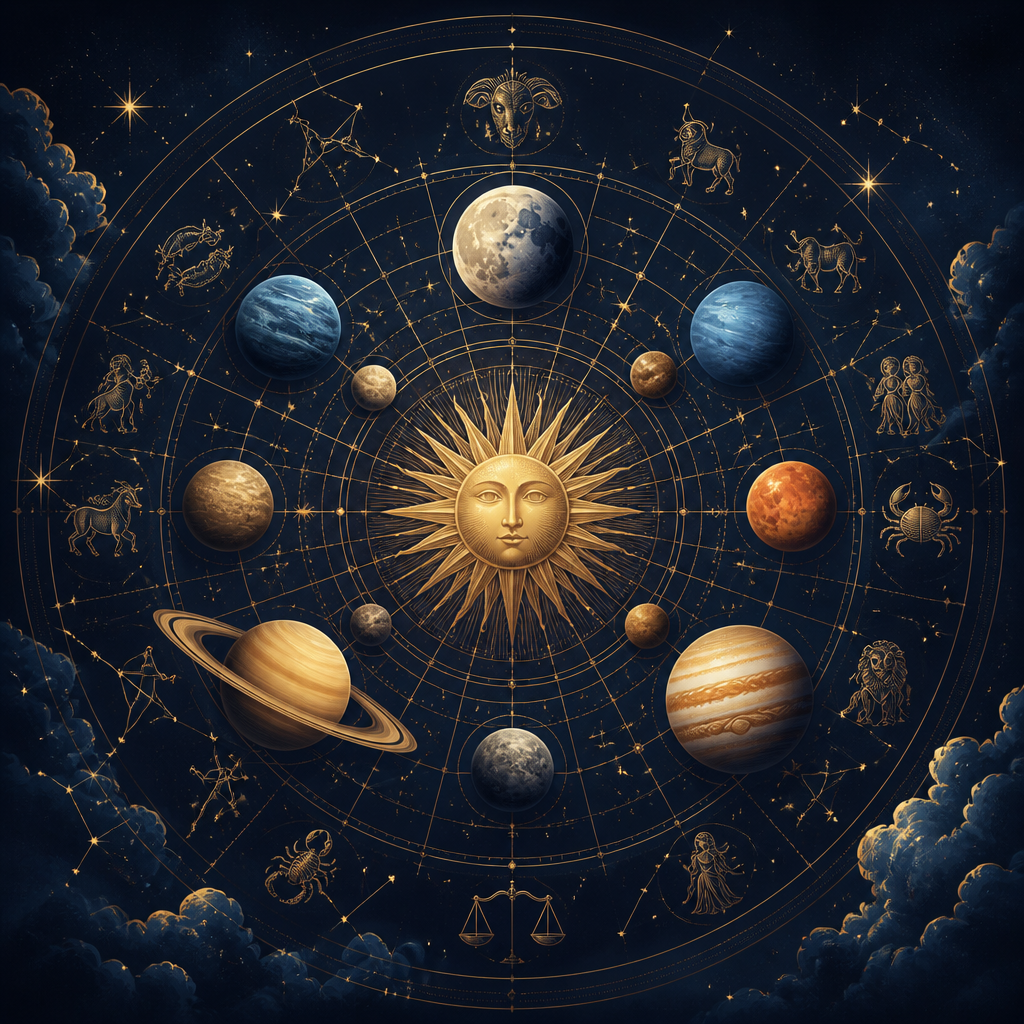
Today’s Moon sign is the zodiac sign the Moon is currently moving through. In astrology, that sign is used to describe the day’s emotional style. A Moon in Aries may feel direct and impatient, while a Moon in Taurus may favor stability and comfort. A Moon in Gemini may increase curiosity and conversation, while a Moon in Cancer may heighten sensitivity and the need for familiarity.
The Moon’s sign changes quickly, so this influence is temporary. It works best as a short-term lens for noticing mood, energy, habits, and emotional reactions rather than as a fixed personality description.
Why the Moon Matters So Much in Daily Astrology
The Sun remains in one zodiac sign for about a month, but the Moon moves through all twelve signs in approximately 27 to 29 days. This makes lunar astrology especially useful for daily interpretation. The Moon is traditionally linked with emotional processing, unconscious patterns, caregiving, belonging, bodily rhythms, and what helps us feel secure.
When the Moon changes signs, the themes connected with those areas can shift quickly. A day that feels socially active may be followed by one that feels private or emotionally reflective. The external circumstances may be similar, but the way people experience them can change.
Moon in Aries: Action, Urgency, and Emotional Directness
When the Moon is in Aries, the emotional atmosphere can feel faster, more assertive, and more reactive. People may want quick answers, immediate movement, or a sense of independence. This transit can support starting something, making a decision, exercising, or confronting an issue that has been delayed.
The challenge is impatience. Feelings may arise strongly and disappear just as quickly. It can help to pause before turning a temporary irritation into a larger conflict.
Moon in Taurus: Stability, Comfort, and Grounding
A Taurus Moon often emphasizes physical comfort, consistency, food, rest, finances, and the desire for predictability. The pace may feel slower, but this can be useful for practical work, steady routines, budgeting, cooking, or creating a calmer environment.
The difficult side of this transit is resistance to change. If flexibility is required, people may need extra time to adjust.
Moon in Gemini: Curiosity, Conversation, and Mental Movement
When the Moon moves through Gemini, attention can shift rapidly between ideas, conversations, messages, and tasks. This can be a productive time for learning, networking, writing, brainstorming, or handling short errands.
Emotionally, people may try to understand feelings by talking about them. The downside is mental overstimulation. Too many inputs can make it harder to know what actually matters.
Moon in Cancer: Sensitivity, Home, and Emotional Security
The Moon is traditionally associated with Cancer, so this transit can highlight emotional needs strongly. Home, family, memory, food, belonging, and protection may become more important. People may want more privacy or feel more affected by the emotional tone around them.
This can be a supportive time for rest, caregiving, home-based tasks, and reconnecting with people who feel emotionally safe. The challenge is taking things personally when no harm was intended.
Moon in Leo: Expression, Recognition, and Warmth
A Leo Moon can bring a desire to express feelings openly, enjoy life, create something, or receive appreciation. Social energy may feel more dramatic, playful, generous, or romantic. This is often a useful transit for creative work, celebrations, presentations, and activities that require confidence.
At the same time, pride can become more sensitive. Feeling ignored or underappreciated may affect mood more than usual.
Moon in Virgo: Practicality, Organization, and Improvement
When the Moon is in Virgo, emotional comfort may come through order, usefulness, and problem-solving. People may notice details more easily and feel motivated to clean, organize, plan, edit, or improve routines.
This can be excellent for practical tasks, but perfectionism is the main risk. If every small issue becomes a problem to fix, the day can feel more stressful than it needs to be.
Moon in Libra: Balance, Relationships, and Social Harmony
A Libra Moon often increases awareness of relationships, fairness, aesthetics, and cooperation. People may seek peaceful conversation, companionship, or a more balanced approach to conflict. It can be a good time for meetings, social plans, negotiation, and activities involving design or beauty.
The challenge is indecision. Trying to keep everyone happy can make it harder to identify what you personally need.
Moon in Scorpio: Depth, Privacy, and Emotional Intensity
When the Moon is in Scorpio, feelings can become more concentrated. People may be more observant, private, suspicious, passionate, or focused on what is happening beneath the surface. This transit can support deep research, emotional honesty, therapy, financial review, or meaningful private conversations.
However, intensity can become fixation. It is useful to distinguish between genuine intuition and assumptions fueled by fear.
Moon in Sagittarius: Freedom, Perspective, and Exploration
A Sagittarius Moon may create a desire for space, movement, humor, travel, learning, or a broader perspective. Emotional heaviness can feel more manageable when there is something meaningful to look forward to.
This transit can support study, outdoor activity, planning a trip, or reconnecting with long-term goals. The shadow side is avoiding details or making promises that are difficult to keep.
Moon in Capricorn: Responsibility, Structure, and Long-Term Focus
When the Moon is in Capricorn, emotional energy can become more contained and task-oriented. People may focus on work, responsibility, deadlines, finances, reputation, or practical goals. Feelings may be expressed through action rather than words.
This transit can be productive, but it may also make vulnerability feel inconvenient. Rest is still necessary even when there is a lot to accomplish.
Moon in Aquarius: Independence, Ideas, and Social Perspective
An Aquarius Moon can encourage objectivity, experimentation, community thinking, and emotional independence. People may want more personal space or prefer to process feelings intellectually.
This transit can be useful for group projects, technology, innovation, and considering a problem from a different angle. The challenge is becoming emotionally detached when empathy is needed.
Moon in Pisces: Intuition, Imagination, and Emotional Openness
When the Moon is in Pisces, boundaries may feel softer. Imagination, empathy, music, spirituality, dreams, nostalgia, and sensitivity can become more noticeable. This can be a creative and reflective transit.
The difficulty is emotional overload or escapism. Quiet time, sleep, hydration, and healthy boundaries may be especially helpful.
How Today’s Moon Sign Interacts With Your Birth Chart
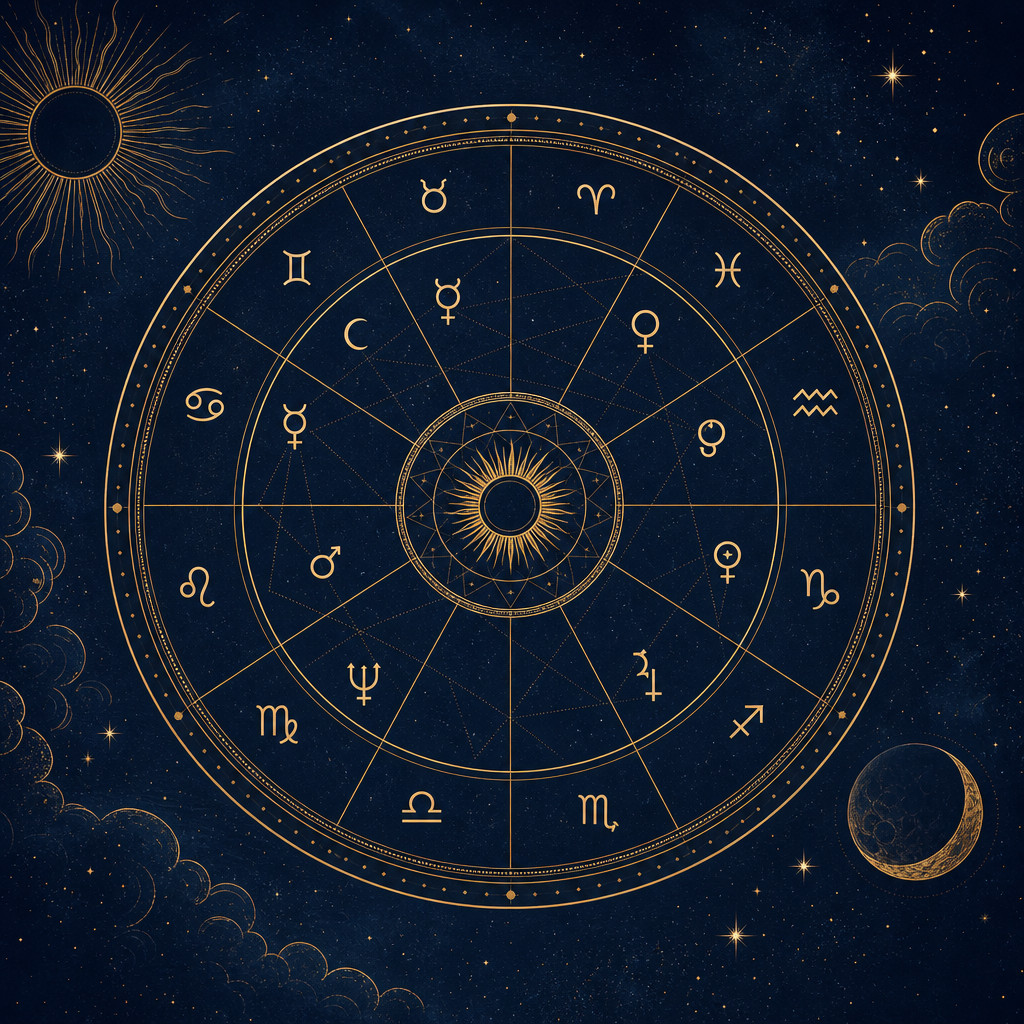
The current Moon sign is only one part of daily astrology. Its effect can feel more personal when the transiting Moon forms an aspect to planets or angles in your natal chart. For example, if the current Moon moves across your natal Moon, you may become more aware of your usual emotional patterns. If it activates your Sun, the day may feel more personally significant. If it contacts Venus or Mars, relationship or motivation themes may become more noticeable.
The astrological house that the Moon is moving through in your chart also changes the area of life being emphasized. A Moon transit through the second house may focus attention on money and security, while a transit through the seventh house may highlight relationships and cooperation.
Moon Sign vs. Moon Phase: What’s the Difference?
The Moon sign and Moon phase describe different things. The Moon sign refers to the zodiac sign the Moon occupies. The Moon phase describes the relationship between the Sun and Moon, such as New Moon, First Quarter, Full Moon, or Last Quarter.
You can think of the sign as the emotional style and the phase as the stage of the lunar cycle. A Full Moon in Capricorn, for example, combines the culminating quality of a Full Moon with Capricorn themes such as responsibility, structure, and long-term results.
How to Use Lunar Transits Without Becoming Overly Predictive
A practical way to use the Moon is to observe patterns rather than force predictions. Ask what emotional tone is present, what kinds of tasks feel easier, and what reactions seem more common. Over time, you may notice that certain Moon signs consistently correspond with particular habits or moods for you.
For example, you might feel more social during air-sign Moons, more productive during earth-sign Moons, more emotionally sensitive during water-sign Moons, or more energetic during fire-sign Moons. Your personal response may differ from standard descriptions because your natal chart matters.
A Simple Daily Moon Check-In
Use the current Moon sign as a short reflection tool:
- Notice the mood: What emotional tone is strongest today?
- Check your body: Do you feel energized, restless, tired, or grounded?
- Observe relationships: Are conversations direct, sensitive, analytical, or detached?
- Choose suitable tasks: Match the day’s energy with work that benefits from it.
- Avoid fatalism: A Moon transit suggests themes, not guaranteed outcomes.
Frequently Asked Questions
How long does the Moon stay in each zodiac sign?
Usually about two to three days. Because it moves quickly, the Moon is one of the most useful planets for short-term astrological timing.
Does everyone experience the same Moon transit?
No. Everyone shares the same current Moon sign, but each person has a different natal chart. The Moon will therefore activate different houses and planets for different people.
Can today’s Moon sign predict my mood exactly?
No. Astrology cannot determine your mood with certainty. Sleep, health, stress, relationships, environment, and many other factors affect how you feel. Lunar transits are better used as symbolic context for reflection.
Is the Moon sign more important than the Moon phase?
They answer different questions. The sign describes emotional style, while the phase describes where the Moon is in its monthly cycle. Many astrologers interpret both together.
Should I plan important decisions around the Moon sign?
You can use lunar symbolism as one reflective factor, but important medical, legal, financial, or personal decisions should rely on relevant evidence and practical considerations rather than astrology alone.
Final Takeaway
Today’s Moon sign offers a simple way to understand the emotional texture of the day. Because the Moon changes signs every few days, its symbolism can help explain why one day feels energetic and direct while another feels private, thoughtful, social, or sensitive.
The most useful approach is not to treat lunar transits as fixed predictions. Instead, use them as prompts for self-awareness. Notice your mood, your reactions, the pace of conversations, and the kinds of activities that feel natural. Over time, tracking the Moon can become a practical daily astrology habit that helps you recognize emotional patterns without giving up personal choice.