Astrology, numerology, and tarot all use symbolic languages. Astrology works with planets, zodiac signs, houses, and aspects. Numerology works with numbers derived from dates and names. Tarot works with a structured deck of images, suits, numbers, and archetypes. These systems are different, but they share one important idea: a symbol can act as a prompt that connects an abstract pattern with a personal question.
The usefulness of symbolic systems does not require every symbol to be a literal prediction. A symbol can help you organize attention, notice a recurring theme, or describe an experience that is difficult to put into words.
What Is a Symbolic System?
A symbolic system gives shared meanings to a set of signs, images, numbers, or relationships. Language itself is symbolic: a written word represents an idea. Road signs use simple images to communicate actions. Music notation turns marks into sound.
Astrology, numerology, and tarot apply this general human capacity for symbolism to self-reflection and interpretation.
Symbols Are Not the Same as Facts
If Mars is calculated at a particular degree of a zodiac sign, that position is a chart fact. The interpretation that Mars represents drive, assertion, conflict, or motivation is symbolic.
Likewise, a numerology calculation can objectively produce a number under a defined formula, while the meaning assigned to that number is interpretive. A tarot card can objectively be the card that was drawn, while its significance depends on symbolic tradition and context.
Why Humans Respond to Symbols
Symbols compress complex ideas. A single image can evoke emotion, memory, cultural associations, and personal meaning. That makes symbols efficient tools for reflection.
The Tower card, for example, can represent disruption without specifying exactly what changes. The number 1 in numerology can symbolize independence or initiation. Saturn in astrology can be associated with structure, responsibility, limitation, or maturity. Each symbol opens a field of related ideas rather than one fixed statement.
Signs in Astrology
The twelve zodiac signs represent twelve symbolic styles. Aries is often associated with initiative, Taurus with stability, Gemini with exchange, Cancer with protection, Leo with expression, Virgo with analysis, Libra with balance, Scorpio with intensity, Sagittarius with exploration, Capricorn with structure, Aquarius with innovation, and Pisces with sensitivity or imagination.
These keywords are starting points. A planet in a sign modifies how the planetary theme is interpreted.
Planets as Symbols
Astrological planets function like characters with different roles. The Sun is linked with identity and vitality, the Moon with emotional needs and habits, Mercury with communication, Venus with values and attraction, Mars with drive, Jupiter with growth, Saturn with structure, and the outer planets with broader transformational themes.
Combining planet and sign creates a more specific symbolic statement.
Houses as Areas of Life
The twelve houses add another layer by describing areas of experience. The first house relates to self and approach, the second to resources and values, the seventh to one-to-one relationships, and the tenth to public role and career, for example.
A planet answers “what,” a sign suggests “how,” and a house suggests “where” the symbolism may be expressed.
Aspects as Relationships Between Symbols
Aspects describe angular relationships between planets. Trines and sextiles are often interpreted as easier forms of cooperation, while squares and oppositions can describe tension or contrast. Conjunctions intensify the relationship between the participating planets.
This is one reason astrology becomes more complex than a list of zodiac signs: the chart is a network of symbolic relationships.
Numbers in Numerology
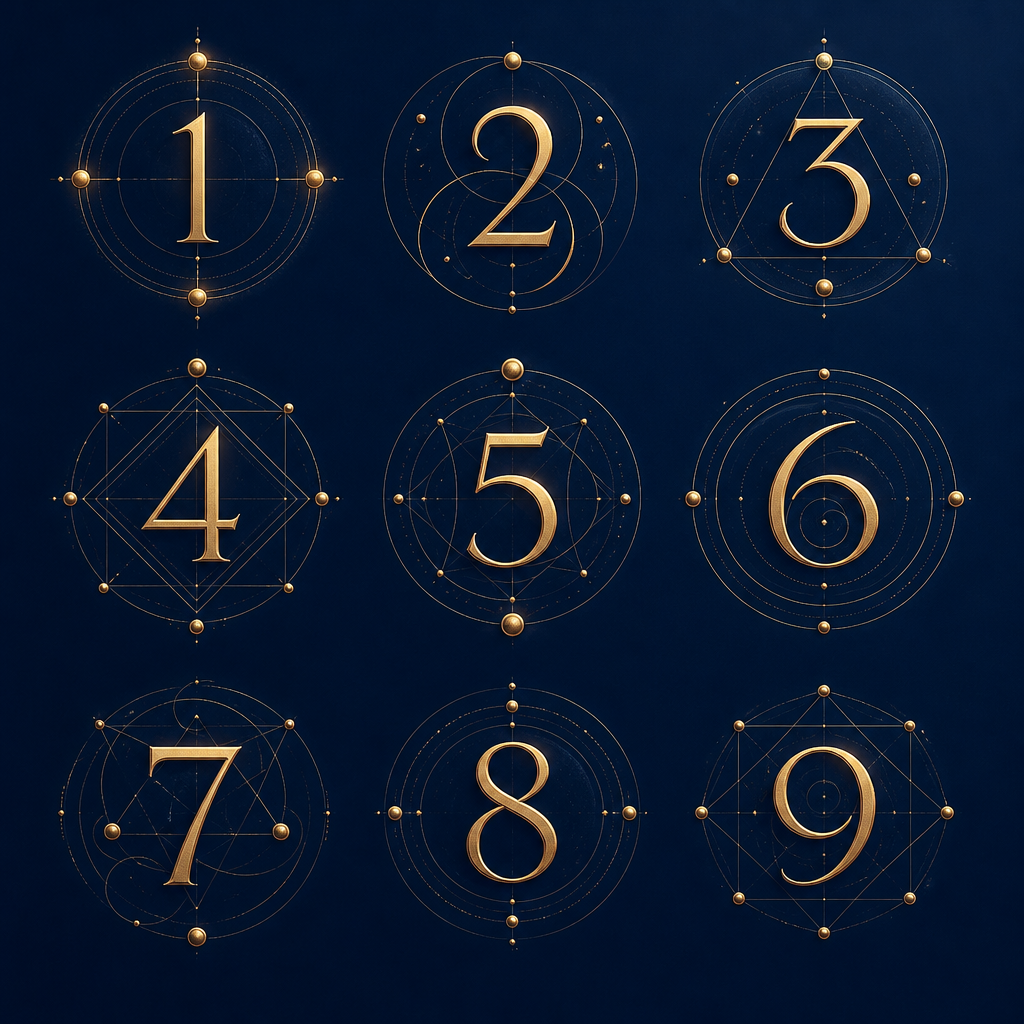
Numerology gives symbolic meaning to numbers. The numbers 1 through 9 are often treated as basic archetypal patterns, while 11, 22, and sometimes 33 are considered master numbers in many modern systems.
Rather than viewing a number as a prediction, you can treat it as a theme. A Life Path 1 may invite reflection on independence and initiative; a Life Path 2 may emphasize cooperation and sensitivity; a Life Path 8 may raise questions about power, ambition, and material responsibility.
Why Calculation Rules Matter
Symbolic meaning becomes confusing if the underlying calculation changes unpredictably. A numerology platform should document how it reduces numbers and how it handles master numbers.
The calculated fact and the prose interpretation should remain separate. That makes the system auditable and easier to translate.
Images in Tarot
Tarot is particularly visual. A traditional deck includes figures, landscapes, objects, colors, and repeated motifs. The imagery gives readers multiple entry points into a card’s meaning.
The Hermit’s lantern can evoke guidance or introspection. The Wheel of Fortune can suggest cycles and change. The Two of Swords can evoke indecision or a temporary pause. The image does not force one interpretation; it invites a structured range of meanings.
Major and Minor Arcana
The Major Arcana are often interpreted as larger archetypal themes such as beginnings, choice, transformation, balance, or completion. The Minor Arcana bring symbolism into everyday experience through four suits.
Wands are commonly associated with action and inspiration, Cups with emotion and relationships, Swords with thought and conflict, and Pentacles with material life, work, resources, and stability.
Numbers Repeat Across Tarot
The numbered Minor Arcana also contain numerical symbolism. Aces suggest beginnings, twos can suggest polarity or choice, threes development, fours structure, fives disruption, and tens completion or culmination.
This creates a bridge between visual symbolism and numerical patterns, although tarot numerology should not automatically be treated as identical to standalone numerology traditions.
Context Changes Meaning
A symbol rarely means the same thing in every context. The Strength card in a career reading may highlight patience and confidence. In a relationship reading it may point toward emotional regulation or compassionate persistence.
The same principle applies to astrology. Mars in a chart can relate to ambition, conflict, sexuality, or physical drive depending on sign, house, aspects, and the question being considered.
Symbols as Questions
A useful way to work with symbolism is to turn each meaning into a question. Instead of saying “The Tower means disaster,” ask “What structure in this situation may be less stable than it appears?” Instead of saying “Saturn means restriction,” ask “Where would clearer boundaries or greater responsibility help?”
Questions preserve agency while still using the symbolic framework.
Archetypes and Personal Meaning
Some symbols feel universal because they represent experiences many people recognize: beginnings, endings, conflict, care, ambition, uncertainty, loss, hope, and renewal.
At the same time, personal history affects interpretation. A symbol of water may feel calming to one person and threatening to another. Good reflection leaves room for both traditional meaning and personal association.
Avoid Forcing Connections
When you work with multiple symbolic systems, it can be tempting to make every result agree. A Life Path Number, zodiac placement, and tarot card do not have to tell the same story.
Different systems can emphasize different aspects of a question. Forcing agreement can create confirmation bias.
How to Compare Symbolic Systems
Write down each result separately before comparing them. Identify the core themes in neutral language. Then look for genuine overlaps and differences.
For example, astrology might emphasize communication, numerology responsibility, and tarot a need for patience. The combined reflection could be that a conversation needs to be handled carefully and responsibly—but you should not claim that all three independently “predicted” the same event.
Keep Interpretation Grounded
Symbolism becomes more useful when connected to observable reality. If a reading highlights boundaries, identify an actual boundary issue. If it emphasizes planning, look at your calendar or budget. If it suggests communication, consider the real conversation you have been postponing.
The symbol begins the reflection; real life provides the evidence.
Related DestinyOS Guides
- What Is DestinyOS?
- Astrology, Numerology, and Tarot: What’s the Difference?
- What Information Do You Need for a Reading?
- How Accurate Are Astrology, Numerology, and Tarot?
- How to Use Symbolic Systems Responsibly
Frequently Asked Questions
How do symbolic systems create meaning?
They combine stable symbols or calculations with traditional associations, context, pattern recognition, and interpretation.
Does symbolic meaning prove a prediction is true?
No. Symbolic systems can structure reflection without establishing scientific certainty about personality or future events.
Final Thoughts
Signs, numbers, and cards work because they provide organized symbolic languages. They turn broad human experiences into patterns that are easier to discuss and reflect on.
Used responsibly, symbolic systems do not need to dictate the future. Their value can come from helping you slow down, name a theme, compare perspectives, and ask a better question. The meaning becomes useful when it leads back to your actual experience rather than replacing it.