The Emperor Tarot card represents authority, structure, leadership, discipline, boundaries, responsibility, and the ability to create stability through clear rules. In a reading, he often appears when a situation needs organization, decisive action, stronger limits, or a long-term plan that can hold up under pressure.
The Emperor is Major Arcana IV. He follows The Empress, whose energy is nurturing, creative, and expansive. Where The Empress helps life grow, The Emperor creates the framework that keeps growth sustainable. His message is not simply “take control.” It is closer to: build something strong enough to support what matters.
Key Takeaways
- Core meaning: authority, order, discipline, leadership, boundaries, protection, and stability.
- Upright: clear structure, mature leadership, strategic planning, reliability, and responsible use of power.
- Reversed: rigidity, control issues, authoritarian behavior, weak boundaries, avoidance of responsibility, or structure that has become restrictive.
- Love: commitment, protection, stability, clear expectations, and the need to balance security with emotional openness.
- Career: management, leadership, systems, long-term planning, accountability, and professional authority.
- Money: budgeting, financial discipline, risk control, stable growth, and practical decision-making.
- Spiritual lesson: freedom is often strengthened, not weakened, by healthy boundaries and consistent practice.
What Does The Emperor Mean in Tarot?
The Emperor is the archetype of organized power. He asks how authority is being used, whether a system is functioning, and what kind of structure is needed for a goal to become sustainable. Unlike cards centered on intuition or emotional flow, The Emperor works through strategy, rules, responsibility, and measurable action.
In everyday readings, The Emperor may point to a manager, parent, mentor, institution, business system, legal framework, or part of yourself that needs to become more decisive. It can also describe a situation where uncertainty is creating unnecessary stress and a clear plan would help.
For beginners, a useful question is: What needs stronger structure, clearer ownership, or better boundaries right now?
The Emperor Symbolism
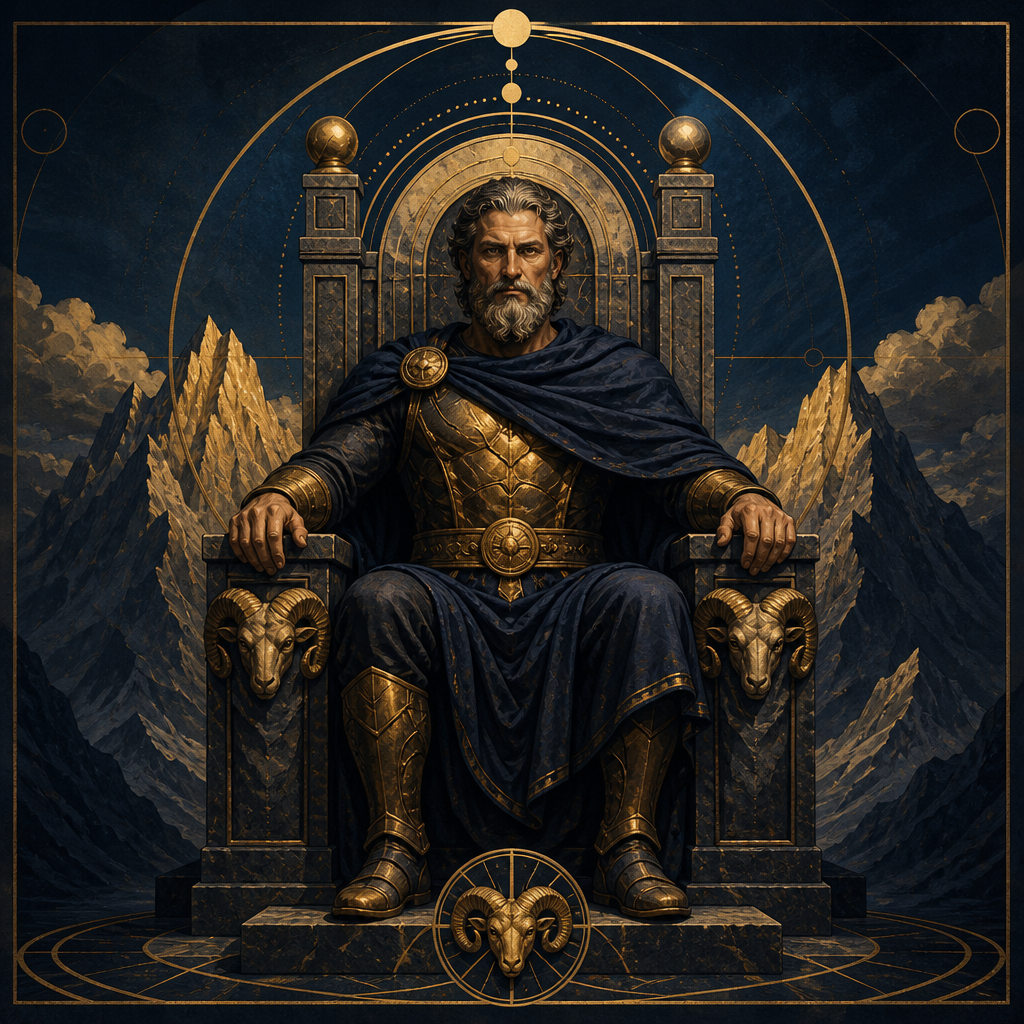
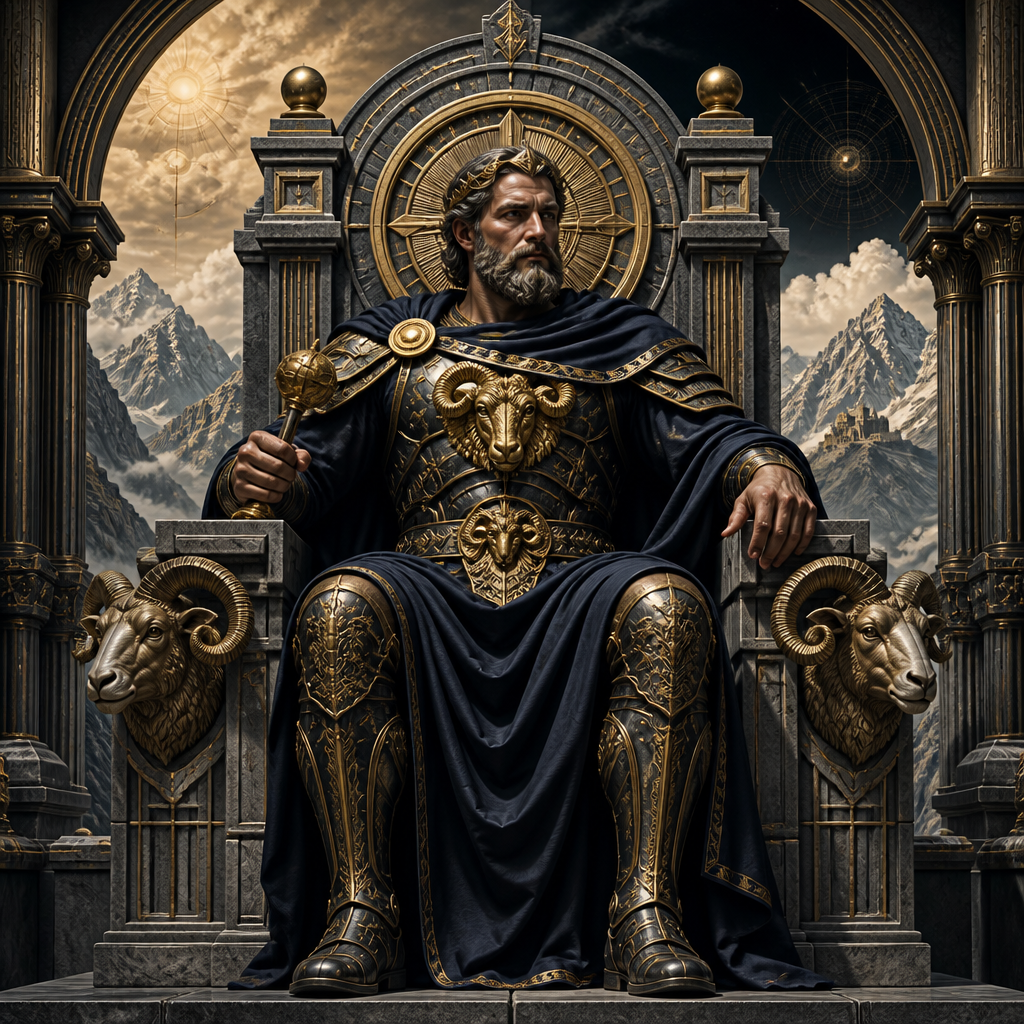
Traditional versions of The Emperor often show a seated ruler on a stone throne, with mountains, armor, red clothing, and symbols associated with Aries or ram energy. These images emphasize endurance, authority, firmness, and the ability to remain steady when circumstances are difficult.
The stone throne suggests durability. Mountains symbolize challenges and long-term perspective. Armor represents readiness and protection. Red can point to drive, courage, willpower, and action. Together, these symbols suggest that leadership is not merely a title; it is the willingness to carry responsibility when conditions are demanding.
The Emperor is frequently associated with Aries and Mars-like qualities such as initiative, decisiveness, and command. However, his mature expression is not impulsive. True Emperor energy channels force through strategy, timing, and discipline.
The Emperor Upright Meaning
When The Emperor appears upright, the situation often benefits from clarity, structure, and leadership. You may need to define roles, make a firm decision, establish boundaries, or create a system that reduces chaos.
Upright Emperor energy can indicate that you are ready to take responsibility rather than waiting for circumstances to organize themselves. It may also suggest that a reliable authority figure, mentor, or institution can provide useful support.
Common upright themes include:
- creating a long-term plan;
- setting realistic rules and standards;
- taking ownership of a difficult decision;
- building routines that make progress repeatable;
- leading a team with consistency;
- protecting time, money, or emotional energy through boundaries;
- choosing stability over short-term excitement.
The Emperor is strongest when discipline serves a purpose. Structure should make life more functional, not simply more controlled.
The Emperor Reversed Meaning
Reversed, The Emperor often highlights a problem with authority or structure. Sometimes there is too much control: rigid rules, micromanagement, emotional shutdown, or a belief that strength means never changing course. In other cases, there is too little structure: unclear expectations, weak boundaries, avoidance of responsibility, or difficulty making decisions.
Common reversed themes include:
- authoritarian or domineering behavior;
- power struggles;
- fear of losing control;
- rules that no longer serve their purpose;
- poor leadership or lack of accountability;
- rebellion without a constructive alternative;
- difficulty setting limits or following through.
If you work with reversals, compare this interpretation with our guide to upright and reversed Tarot cards. A reversed Emperor may show blocked, distorted, excessive, or internalized versions of the same themes rather than a completely opposite meaning.
The Emperor in Love and Relationships
In love readings, The Emperor often points to stability, commitment, loyalty, protection, and the desire for a relationship with clear foundations. It can describe someone who expresses care through reliability, planning, practical support, or responsibility rather than constant emotional expression.
For an established relationship, the card can suggest discussing expectations directly: finances, living arrangements, family roles, boundaries, future plans, or how decisions are made. Healthy Emperor energy creates security without suppressing individuality.
For someone single, The Emperor may indicate attraction to a mature, established, or confident partner. It can also be a reminder to become clearer about your own standards rather than accepting inconsistent behavior.
Reversed, The Emperor can warn about control, emotional rigidity, possessiveness, one-sided decision-making, or a relationship where one person assumes they always know best. Stability is useful only when both people still have agency.
The Emperor in Career and Work
The Emperor is one of the strongest cards for management, leadership, systems, and professional authority. In a career reading, it can suggest stepping into greater responsibility, formalizing a business, improving processes, or learning how to manage people and resources more effectively.
If you are building a project, The Emperor asks whether the foundation is strong enough. Do you have deadlines, ownership, documentation, budget control, quality standards, and a clear way to measure progress? Inspiration matters, but systems determine whether good work can be repeated.
The card can also represent a boss, executive, regulator, government body, or formal institution. In that case, the advice may be to understand the rules before acting.
Reversed, it may indicate micromanagement, poor leadership, excessive bureaucracy, office politics, unclear authority, or a rigid culture that prevents adaptation.
The Emperor and Money
In financial readings, The Emperor favors discipline over speculation. It often points to budgeting, long-term planning, controlled risk, stable income, and the value of understanding where money is going.
This card can be useful when finances feel chaotic. Rather than chasing a dramatic solution, Emperor energy suggests building a system: track cash flow, define savings targets, reduce avoidable debt, create an emergency buffer, and make major decisions based on evidence rather than pressure.
Reversed, The Emperor can point to financial control issues, inflexible thinking, reckless attempts to prove independence, or dependence on someone else’s financial authority. It can also indicate that a plan is too rigid to adapt to changing circumstances.
The Emperor and Leadership
Leadership is central to The Emperor, but the card distinguishes authority from domination. Mature authority creates clarity, protects the group, makes difficult decisions, and accepts accountability for outcomes. Immature authority seeks obedience for its own sake.
If The Emperor appears in a leadership question, consider four areas:
- Direction: Does everyone understand the goal?
- Ownership: Is it clear who is responsible for what?
- Boundaries: Are there limits that protect time, quality, and wellbeing?
- Accountability: Are decisions and results reviewed honestly?
The strongest Emperor leadership is predictable without being inflexible. People know where they stand, but there is still room for evidence, feedback, and change.
The Emperor and Personal Boundaries
The Emperor can appear when your energy is being scattered by unclear limits. This may involve work hours, family obligations, money, emotional labor, or access to your attention.
Healthy boundaries do not require hostility. They simply define what you are available for, what you are not responsible for, and what conditions must be present for cooperation to work.
A practical Emperor question is: What rule would reduce repeated confusion here? Sometimes the answer is a schedule, a budget, a written agreement, a clearer “no,” or a decision that has been postponed too long.
The Emperor and Spirituality
Spiritually, The Emperor represents disciplined practice. Insight may begin with inspiration, but transformation usually requires repetition. Meditation, journaling, study, prayer, exercise, or reflective routines become more powerful when they are consistent enough to shape behavior over time.
The Emperor can therefore balance the intuitive energy of The High Priestess. Intuition can reveal direction; structure helps you act on it. It also complements The Empress: growth needs nourishment, but it also needs boundaries and form.
Is The Emperor a Yes or No Card?
For simple yes-or-no readings, The Emperor usually leans toward yes when the question involves commitment, planning, leadership, formal agreements, stability, or a disciplined long-term approach.
It may lean toward “not yet” when the situation lacks structure or when a decision is being made emotionally without enough preparation.
Tarot is usually more useful when the question includes context. Instead of asking only “Will I succeed?”, try “What structure would improve my chances of success?” Our guide to asking better Tarot questions can help you frame clearer prompts.
The Emperor Compared With Other Major Arcana Cards
The Emperor and The Empress: The Empress represents growth, nurturing, creativity, and abundance. The Emperor represents structure, protection, rules, and stability. Together they suggest that sustainable development needs both care and order.
The Emperor and The Magician: The Magician focuses on initiative, skill, and using available tools. The Emperor focuses on governance, repetition, systems, and long-term control of resources.
The Emperor and The High Priestess: The High Priestess trusts intuition and hidden information. The Emperor prefers visible rules, evidence, and structure. A balanced reading may suggest listening inwardly while still creating a practical plan.
For broader context, see our guide to the 22 Major Arcana cards.
How to Read The Emperor in a Three-Card Spread
The Emperor changes meaning depending on position and neighboring cards. In a past-present-future spread:
- Past: a strict system, authority figure, family rule, or previous need for discipline shaped the current situation.
- Present: stronger structure, leadership, or boundaries are needed now.
- Future: greater stability, responsibility, formalization, or leadership may emerge if the foundation is built carefully.
In a challenge position, The Emperor may show rigidity, fear of losing control, or conflict with authority. In an advice position, it often recommends planning, accountability, and clear limits.
For a simple practice method, see our guide to three-card Tarot spreads.
Practical Questions to Ask When The Emperor Appears
- What needs a clearer plan?
- Where are my boundaries too weak or too rigid?
- What responsibility am I avoiding?
- Which rule or routine would make this situation easier to manage?
- Am I using authority to create stability or to control others?
- What would mature leadership look like here?
- Which part of this situation needs documentation, budgeting, scheduling, or ownership?
Frequently Asked Questions
What is the main meaning of The Emperor Tarot card?
The Emperor mainly represents authority, structure, leadership, discipline, boundaries, responsibility, and the creation of long-term stability.
What does The Emperor mean in love?
In love readings, The Emperor can indicate commitment, reliability, protection, clear expectations, and a desire for stability. Reversed, it can point to control, emotional rigidity, or unequal decision-making.
What does The Emperor mean in career readings?
For career, The Emperor often signals leadership, management, systems, accountability, strategic planning, or increased responsibility. It can also represent a boss, institution, or formal authority.
What does The Emperor reversed mean?
Reversed, The Emperor can indicate authoritarian behavior, power struggles, inflexibility, weak boundaries, poor leadership, or avoidance of responsibility.
Is The Emperor a positive Tarot card?
It can be very constructive because it brings stability, planning, protection, and accountability. Its shadow side appears when structure becomes control or when authority is used without flexibility or empathy.
What zodiac sign is associated with The Emperor?
The Emperor is commonly associated with Aries, reflecting themes of initiative, courage, leadership, decisiveness, and action.
What is the difference between The Emperor and The Empress?
The Empress emphasizes nurturing, creativity, abundance, and organic growth. The Emperor emphasizes structure, boundaries, authority, and the systems that make growth sustainable.
Final Thoughts
The Emperor is a card of mature responsibility. He asks whether your plans have enough structure, whether your boundaries are clear, and whether power is being used in a way that creates stability rather than fear.
When The Emperor appears, the answer is often not to work harder but to organize better. Define the goal, establish ownership, create rules that reduce confusion, and make decisions you are willing to stand behind. Strong structure should support life, not restrict it unnecessarily.
If you are new to Tarot, begin with What Is Tarot? and then explore the Major Arcana as a connected sequence of archetypal themes rather than isolated predictions.
1 thought on “The Emperor Tarot Card: Authority, Structure, and Leadership”
Comments are closed.